Mobile Apps: The Critical Role in Business Digital Transformation
Mobile Apps: The Critical Role in Business Digital Transformation
In today's business world, mobile applications have fundamentally changed how companies interact with customers and achieve operational efficiency. They are no longer a luxury reserved for large corporations but have become a strategic necessity for businesses of all sizes.
Why Mobile Apps?
1. Customer Accessibility
There are over 6 billion smartphone users worldwide. Your customers spend a significant portion of their day on mobile devices. With a mobile app, your brand becomes constantly accessible in your customers' pockets.
2. Customer Loyalty and Engagement
Mobile apps increase customer loyalty through push notifications, personalized offers, and loyalty programs. Research shows that mobile apps generate 3x more conversions compared to websites.
3. Competitive Advantage
If you're in an industry where competitors don't yet have mobile apps, moving early provides a significant competitive advantage. Customers perceive companies with mobile apps as more professional and trustworthy.
Benefits for Businesses
Operational Efficiency
Internal mobile apps enable your employees to enter data from the field, track inventory, and access real-time reports. This eliminates paper-based processes, saving time and costs.
Data Analytics and Customer Insights
Mobile apps collect valuable data about customer behavior. This data helps you optimize marketing strategies and improve customer experience.
Brand Awareness
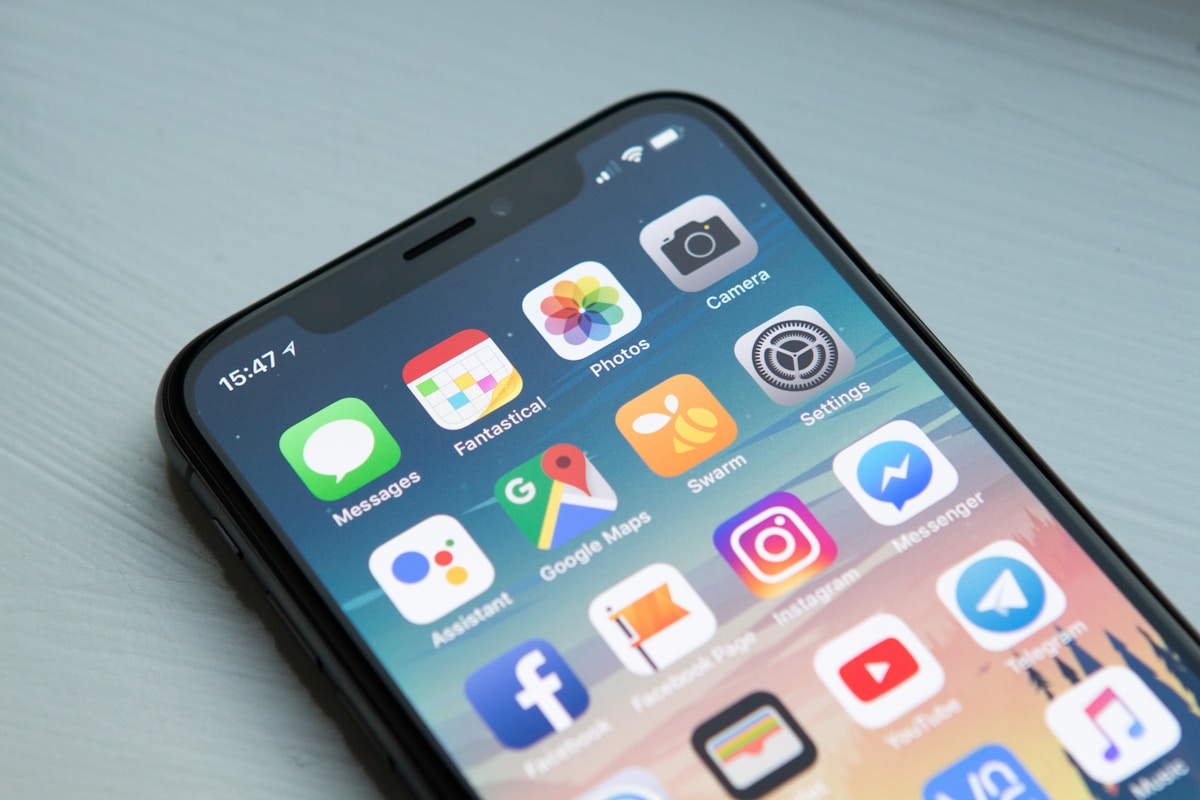
Your app icon constantly visible on users' phones increases brand awareness. This passive reminder puts your company at the forefront of customers' purchasing decisions.
Return on Investment (ROI)
The return on mobile app investment typically includes:
- Increased sales: Through easy shopping experience
- Reduced operational costs: Through automation
- Lower customer acquisition costs: Through viral sharing and referrals
Which Technologies Should Be Used?
There are two main approaches in modern mobile app development:
Native Development: Developing separate apps for iOS and Android. Ideal for highest performance and user experience.
Cross-Platform: Developing apps for both iOS and Android from a single codebase using technologies like React Native or Flutter. Provides cost and time advantages.
Our Mobile App Development Services can help determine the best technology for your company.
App Development Process
A professional mobile app development process consists of these phases:
- Analysis and Planning: Defining business requirements
- UI/UX Design: User-friendly interface design
- Development: Coding and testing processes
- Publishing: Release on App Store and Google Play
- Maintenance and Updates: Continuous improvement
Our UI/UX Design Services create interfaces your users will love.
AI Integration
Modern mobile apps are now equipped with artificial intelligence features:
- Personalized recommendations
- Chatbots and virtual assistants
- Image recognition
- Voice commands
Our AI Integration Services can add smart features to your app.
Conclusion
Mobile apps are not just a technology investment for companies in 2026 and beyond, but a strategic tool that transforms customer experience. Businesses that move early gain a competitive advantage in the digital age.
Ready to develop a mobile app for your company? Contact us and let's discuss your project.
Frequently Asked Questions
How much does mobile app development cost?
Mobile app cost varies based on complexity, platform choice, and number of features. A simple MVP can be developed in 4-8 weeks, while comprehensive apps may take 3-6 months. Contact us for free consultation.
Should I develop for iOS or Android first?
It depends on your target audience. While Android usage is higher in many markets, users with higher purchasing power tend to concentrate on iOS. Cross-platform development allows you to target both platforms simultaneously.
Does an app need maintenance after launch?
Yes, mobile apps require regular updates and maintenance. Continuous support is important for operating system updates, security patches, and new feature additions.
Is a mobile app or website more important?
Both serve different purposes. Websites are ideal for discovery and information, while mobile apps offer a deeper experience for loyal customers. The optimal strategy is to use both together.
Can I convert my existing website to a mobile app?
While technically possible, the best results come from designing from scratch with a mobile-first approach. Our Web Development Services offer integrated solutions.